Buzzcocks

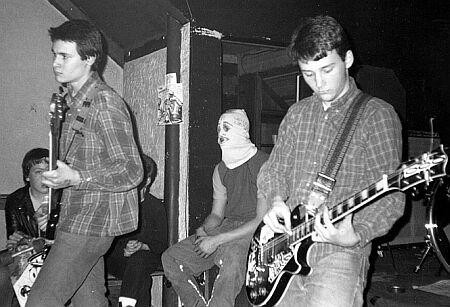
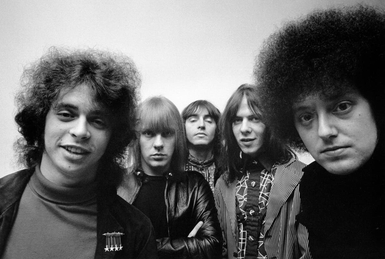
Buzzcocks emerged from Manchester’s vibrant late-1970s punk scene, blending high-energy punk rock with infectious pop melodies. Formed in 1976 by Pete Shelley and Howard Devoto, the band quickly became a central figure in the British punk movement, influencing countless artists with their distinctive sound and catchy hooks.
Career Highlights
Formation and Early Success
The band was born out of a shared passion for music at Bolton Institute of Technology when Howard Devoto placed a notice seeking musicians to cover The Velvet Underground’s “Sister Ray.” Pete Shelley responded, and the two soon formed a band that would become Buzzcocks. Choosing their name from a quirky headline in Time Out magazine, they embraced the playful and irreverent spirit of punk.
Buzzcocks’ early performances were marked by raw energy and a DIY ethic. Their debut EP, Spiral Scratch, released on their own New Hormones label, showcased their ability to craft tightly wound punk songs that were both aggressive and melodically appealing. The EP’s success helped the band establish an independent approach to releasing music, setting a standard for future punk acts.
With the release of their first full-length album, Another Music in a Different Kitchen in 1978, Buzzcocks captured the essence of youth and rebellion. Tracks like “Orgasm Addict” and “I Don’t Mind” became anthems, blending fast-paced rhythms with pop-influenced melodies that would become a hallmark of their style. They soon gained a loyal following through relentless touring and memorable live shows, opening for major acts like Sex Pistols and The Clash early in their career.
Evolution Through the Years
After Howard Devoto’s departure in 1977, Pete Shelley took the helm as the primary songwriter and vocalist. This shift marked a new era for Buzzcocks as they refined their sound. The classic lineup of Shelley, Steve Diggle, Steve Garvey, and John Maher produced a series of influential albums that resonated with fans and critics alike. Albums such as Love Bites and A Different Kind of Tension demonstrated the band’s knack for combining biting lyrics with pop sensibilities, which broadened their appeal beyond the punk underground.
During the late 1970s and through the 1980s, Buzzcocks navigated changes in the music industry, shifting musical trends, and lineup adjustments. Despite these challenges, their music retained a sense of urgency and melodic sharpness. The band’s innovative approach to self-releasing music and forming independent labels paved the way for future indie and punk acts. Their sound evolved with each album, incorporating elements of power pop, alternative rock, and new wave while staying true to their punk roots.
Reunions and Later Years
Though the band initially disbanded in 1981 due to internal tensions and shifts in the punk landscape, Buzzcocks reunited in 1989, bringing back original members to revive their influential sound. Throughout the 1990s and 2000s, they released new albums such as Buzzcocks (2003) and Flat-Pack Philosophy (2006), continuing to tour and adapt to new musical trends while honoring their punk heritage.
Following the death of founding member Pete Shelley in 2018, the band persevered, with Steve Diggle stepping up as the new frontman. This transition marked a new era for Buzzcocks, culminating in the release of Sonics in the Soul in 2022, which showcased the band’s resilience and commitment to their sound despite the loss of a key member.
Musical Style and Influence
Buzzcocks are renowned for their ability to fuse rapid-fire punk energy with pop-influenced melodies, creating songs that are both immediate and enduring. Their music often features crisp guitar riffs, driving bass lines, and energetic drumming, all underscored by Shelley’s incisive lyrics that explore themes of love, alienation, and youthful exuberance.
Over the years, the Buzzcocks’ influence has spread far beyond the punk scene. Their innovative approach to independent music production, DIY ethics, and blending of musical styles have inspired countless bands across genres. From hardcore punk to alternative rock, their sound paved the way for many future artists, and their legacy is evident in the work of bands that cite them as a major influence.
Discography
- Another Music in a Different Kitchen (1978)
- Love Bites (1978)
- A Different Kind of Tension (1979)
- Time’s Up (1991)
- Trade Test Transmissions (1993)
- All Set (1996)
- Modern (1999)
- Buzzcocks (2003)
- Flat-Pack Philosophy (2006)
- The Way (2014)
- Sonics in the Soul (2022)