Government Issue

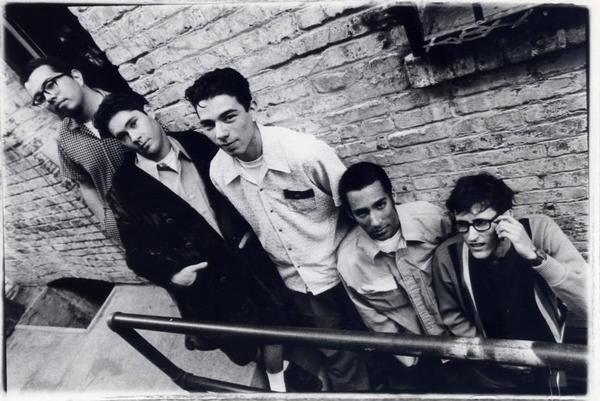
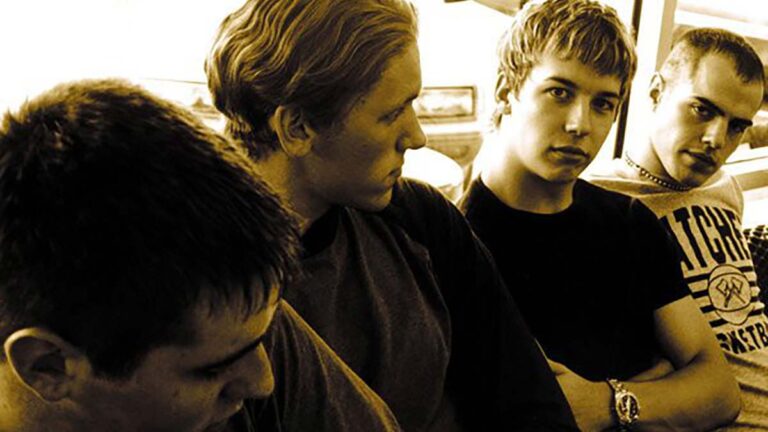
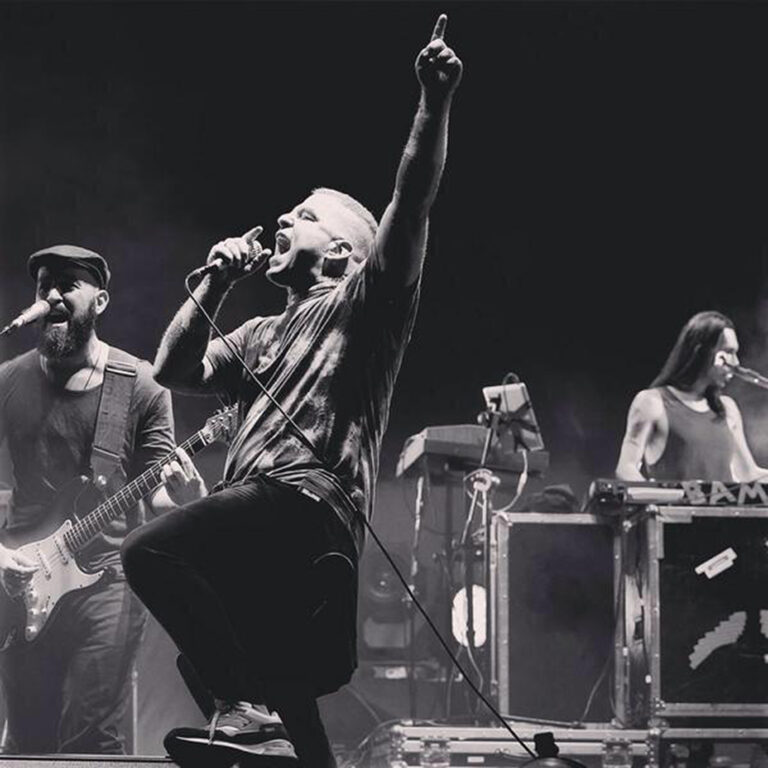
Government Issue were one of the cornerstones of Washington D.C.’s hardcore punk scene, known for turning chaos into creativity. Fronted by the late John Stabb, the band fused aggression with intelligence, humor, and an ever-evolving sound that shifted from pure hardcore fury to something more experimental, melodic, and unpredictable. Across their decade-long run, they refused to stay still or play by anyone’s rules, which made them both cult heroes and one of the most inventive acts to come out of D.C.
How The Band Got Started
Government Issue formed in 1980 out of the ashes of The Stab, a short-lived project where frontman John Schroeder took the stage name John Stabb. Joined by drummer Marc Alberstadt, guitarist John Barry, and bassist Brian Gay, the new band debuted under their new name at the Unheard Music Festival that December. Like much of the early D.C. hardcore wave, they were young, scrappy, and determined to make noise with whatever they had. After their first EP, Legless Bull, dropped on Dischord Records in 1981, Government Issue became a fixture in the growing punk network surrounding venues like the Wilson Center and 9:30 Club.
Early Lineups and Fast Shifts
The D.C. scene was famous for its revolving doors, and Government Issue was no exception. Brian Gay left for college, and Minor Threat’s Brian Baker filled in on bass before moving to guitar. Tom Lyle came in as bassist and later switched to guitar, helping define the band’s sound for the rest of its existence. Their 1982 EP Make an Effort marked the first of many personnel shifts but also captured the intensity and speed of the moment. The early lineup blended youthful defiance with sarcasm, reflecting Stabb’s tendency to poke fun at the hardcore world even as he helped define it.
Finding Their Own Sound
By 1983, Government Issue had started experimenting. With Lyle on guitar and Mitch Parker on bass, they recorded Boycott Stabb, produced by Ian MacKaye. It pushed their sound forward without losing the punch of early hardcore. More changes followed—Rob Moss, Mike Fellows, and John Leonard all passed through the lineup—and the band released Joyride (1984) and The Fun Just Never Ends (1985). Those records showed hints of melody, structure, and even weirdness that set them apart from most hardcore bands still chasing two-minute blasts of rage.
Mid-80s Transformation
By the time they released their 1986 self-titled album, Government Issue had turned into something else entirely. Stabb’s vocals became more tuneful and theatrical, influenced by The Damned and other post-punk groups. They blended hardcore with elements of metal, new wave, and even psychedelia. That creative shift continued with You (1987) and Crash (1988), both of which leaned into melodic hooks and darker moods. It wasn’t what their early fans expected, but it made them one of the most adventurous punk acts in America at the time.
Life After The Breakup
Government Issue split in 1989 after heavy touring, a van crash in England, and growing creative differences. The final lineup—Stabb, Lyle, J. Robbins, and Peter Moffett—closed things out with style, leaving behind a catalog that documented the evolution of punk itself. Afterward, Robbins and Moffett went on to form Jawbox and later Burning Airlines, while Lyle released a solo album and Stabb remained a fixture in the D.C. underground. Government Issue reunited several times in the 2000s and 2010s for special shows, proving their legacy was still alive and loud. Stabb passed away from stomach cancer in 2016, leaving behind a trail of records that still sound raw, clever, and defiantly original.
Style and Influence
Government Issue started as fast, confrontational hardcore, but they refused to stay boxed in. Over nine years, they evolved into a melodic and experimental band that didn’t care what the scene expected. Their humor, sarcasm, and restless creativity influenced countless later acts, from post-hardcore to melodic punk. Bands like Jawbox, Dag Nasty, and even later generations of alternative punk drew from G.I.’s refusal to sit still. Despite being overlooked next to Dischord’s more famous names, their discography holds up as one of the most inventive runs in American punk.
Members
- John Stabb – vocals (1980–1989, reunions 2007–2015)
- Tom Lyle – guitar (1982–1989, reunions 2007–2010)
- Marc Alberstadt – drums (1980–1986)
- J. Robbins – bass (1986–1989, 2010 reunion)
- Peter Moffett – drums (1986–1989, 2010 reunion)
- Brian Baker – bass and guitar (1981–1982, 2007 reunion)
- John Barry – guitar (1980–1981, 2014–2015)
- Brian Gay – bass (1980–1981, 2014 reunion)
Discography
- Legless Bull (1981)
- Make an Effort (1982)
- Boycott Stabb (1983)
- Joyride (1984)
- Give Us Stabb or Give Us Death (1985)
- The Fun Just Never Ends (1985)
- Government Issue (1986)
- You (1987)
- Crash (1988)
- Strange Wine: Live at CBGB (2003)
Why They Still Matter
Government Issue weren’t the easiest band to pin down, and that’s exactly why they mattered. They stretched what hardcore could be without losing their D.C. roots, inspiring artists who wanted punk to grow up without getting boring. John Stabb’s wit, honesty, and theatrical energy made them unforgettable. Even decades later, their records still hit with the force of a band that didn’t care about trends—they just wanted to push sound and attitude as far as it could go.