Gray Matter
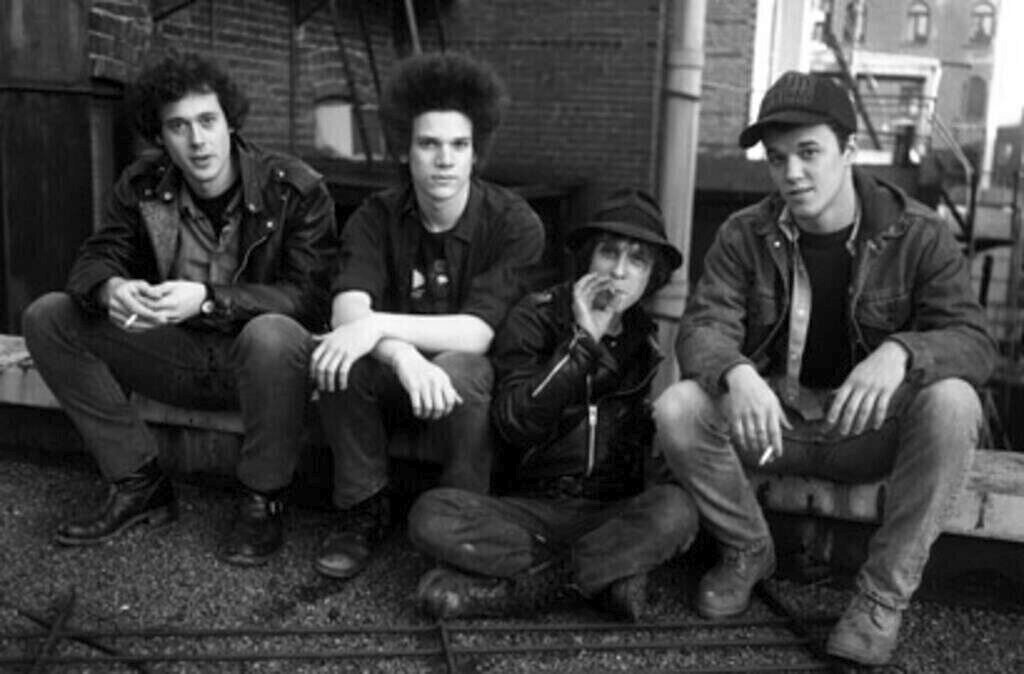
Gray Matter were one of the most melodic and emotionally driven bands to rise from Washington D.C.’s hardcore underground. While their peers were shouting against authority, Gray Matter looked inward, blending punk urgency with heartfelt lyrics and warm harmonies that helped shape the early post-hardcore sound. Their brief but powerful run in the 1980s and early ’90s showed that punk could be introspective without losing its bite.
How The Band Got Started
Gray Matter formed in the summer of 1983 when longtime friends Geoff Turner, Mark Haggerty, Steve Niles, and Dante Ferrando decided to break away from the chaos surrounding their earlier projects. Haggerty and Ferrando had both been in Iron Cross, but when that band’s reputation became associated with violent fans, they walked away. The four friends regrouped with a shared goal of writing something more personal, reflective, and melodic, naming their new project Gray Matter. They quickly became part of the D.C. scene that revolved around Dischord Records and the legendary Inner Ear Studio.
First Recordings and Breakthrough
In November 1984, the band recorded their debut album Food for Thought at Inner Ear with help from Ian MacKaye of Minor Threat. Released in 1985, the record stood out from D.C.’s usual sonic assault. It carried the raw speed of hardcore but added melody, soul, and emotion. Turner’s vocals and the group’s harmonies gave the songs a hopeful energy that contrasted with much of the era’s darker tone. Critics and fans alike saw Gray Matter as part of a new wave of D.C. bands—alongside Embrace and Rites of Spring—that were reshaping what hardcore could sound like.
Growing Pains and the First Split
The follow-up, Take It Back, released by Dischord in 1986, solidified their reputation as one of the most forward-thinking punk bands in town. But just as momentum was building, life intervened. Mark Haggerty left to attend college, and the rest of the band drifted into new projects. Dante Ferrando went on to play drums in Ignition, while Turner, Niles, and Haggerty eventually regrouped in a new band called Three, joined by Jeff Nelson of Minor Threat. That sense of creative restlessness would define their careers for decades to come.
Reunion and Reinvention
In 1990, Gray Matter reformed with their original lineup, picking up where they’d left off but with more experience and perspective. They recorded a double seven-inch in 1991 and followed it with the full-length Thog in 1992, again through Dischord. The album kept their melodic core but introduced a thicker, more confident sound, merging punk energy with layered vocals and introspective lyrics. It reflected a maturity that came from growing up in the D.C. scene while staying true to their roots.
After the Final Breakup
The band officially ended in 1993, but the members continued to influence D.C. culture. Steve Niles found international recognition as a comic book writer, best known for creating 30 Days of Night. Geoff Turner opened WGNS Studios, which became a hub for indie recording in Washington. Dante Ferrando went on to open the Black Cat nightclub, one of the most important venues in the city’s punk and alternative history. Their friendship and shared ethos kept them tied to the D.C. community even long after Gray Matter’s final tour.
Reunions and Legacy in D.C.
Gray Matter have reunited several times for anniversary shows at the Black Cat, performing at the club’s 10th, 15th, 20th, 25th, and 30th anniversaries. Each time, the band returned with the same chemistry that first defined them—proof that their songs weren’t relics of a past scene but still resonated with newer generations. Their influence can be felt in countless bands that blur the line between punk and emotion-driven rock, from early emo acts to modern melodic hardcore groups.
Members
- Geoff Turner – vocals, guitar
- Mark Haggerty – guitar
- Steve Niles – bass, vocals
- Dante Ferrando – drums
Discography
- Food for Thought (1985; R&B Records, reissued by Dischord in 1990)
- Take It Back EP (1986; Dischord Records)
- 4 Songs double 7″ (1991; Dischord/WGNS)
- Thog (1992; Dischord Records)
- Second Guess split 7″ with Severin (1992; Dischord/Superbad Records)
Why They Still Matter
Gray Matter helped shape the emotional core of D.C. punk. They wrote songs about friendship, change, and self-awareness while keeping the power and spirit of hardcore intact. Their melodic approach opened new doors for punk’s evolution into what would later be called post-hardcore and emo. For a band that only existed in short bursts, their ripple effect across decades of underground music can still be heard loud and clear.