Goldblade
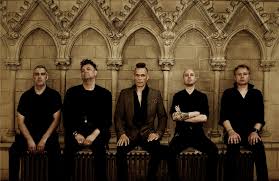
Goldblade didn’t come out of the ’90s Britpop haze—they came out swinging. Born from the mind of John Robb, the same frontman behind The Membranes, this Manchester punk outfit fused political fury with gospel-sized swagger. Formed in 1995, Goldblade took the grit of The Stooges, the sweat of James Brown, and the velocity of The Ramones, then wrapped it in a distinctly Northern England snarl. They called it “punk rock hooligan blues.” It sounded like a sermon shouted through a megaphone in the middle of a riot.
How It All Started
By the mid-’90s, John Robb had already seen punk’s first act. After fronting The Membranes through the ’80s, he wanted a new project that captured the same chaos but with more groove. Goldblade formed with Robb on vocals, Wayne Simmons on guitar, Keith Curtis on bass, Jay Taylor on guitar, and Rob Haynes on drums. The band’s early sound leaned into raw, street-level punk with a hint of soul power—literally, since their debut single “Soul Power” landed as NME’s Single of the Week.
Their debut album, Home Turf (1997), cemented their reputation as one of the few British punk acts of the era who weren’t afraid to go big. While Britpop was polishing guitars and posing for magazines, Goldblade was storming clubs in tattered suits and preaching about the energy of rock ’n’ roll like it was holy scripture. The Independent called them “a shamelessly fundamentalist collision of The Ramones, James Brown and The Stooges,” which was about as accurate as it gets.
Blowing Up and Dropping Bombs
Goldblade’s second album, Drop the Bomb (1998), took that fire and made it louder. Recorded at The Levellers’ Brighton studio, it pushed the aggression forward with tracks like “Hairstyle” and “Strictly Hardcore.” The latter even made a dent in the UK Singles Chart, a rare feat for such a feral-sounding band. That same year, the group pulled off the improbable: a live appearance on the Saturday morning kids’ TV show CD:UK, performing a song about punk rebellion to an audience of confused preteens.
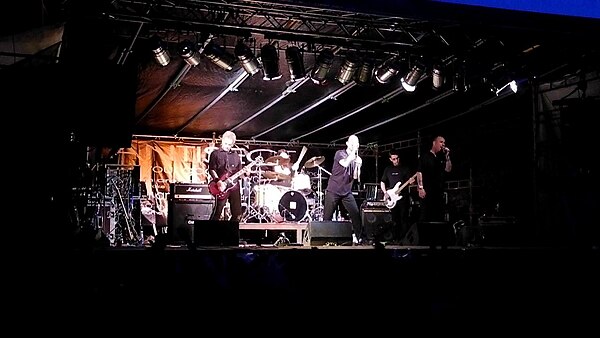
Still, Goldblade’s message never softened. They weren’t interested in nostalgia or radio polish—they wanted to remind people that punk was still dangerous, still sweaty, and still alive. Their live shows were part rally, part ritual, led by Robb’s half-shouted, half-preached vocals that made every gig feel like a revolution in progress.
Power and Belief
In 2002, the band released Do You Believe in the Power of Rock ’n’ Roll? on Twenty Stone Blatt Records. It was their loudest affirmation yet—a record built around the idea that rock wasn’t dead, it just needed new blood. The addition of percussionist Martin Gray gave the songs a tribal edge, while Robb’s lyrics blended satire with sincerity. Around the same time, guitarist Jay Taylor left to focus on his band Bonebox, leading to a lineup shuffle that would shape the band’s next phase.
Johny Skullknuckles and Pete “Gorgeous” Byrchmore (formerly of The Nightingales and UK Subs) joined the ranks, bringing extra chaos and character to the band’s sound. Their first release with the new lineup, Rebel Songs (2005), came out through Captain Oi! Records and captured the fury of a band reborn. It was followed by Mutiny in 2008, another slab of gritty, politicized punk that made its way into Europe’s underground circuit. One of its tracks, “Riot! Riot!,” even ended up on the soundtrack for Green Street 2: Stand Your Ground—fitting, considering Goldblade’s music always sounded like a football chant set on fire.
Beyond Borders
Goldblade’s touring schedule was relentless. They hit every major UK festival—Glastonbury, Reading, Wickerman, and Rebellion—while also taking their “hooligan blues” to less likely destinations. In one stretch, they played to 25,000 people in St. Petersburg, tore through Serbia, and headlined a show in Algiers, becoming one of the first Western rock bands to perform there in over 20 years. Their willingness to go anywhere and play for anyone became part of their mythos. Whether in a festival field or a crumbling punk bar, the message stayed the same: rock is still a form of resistance.
The Terror of Modern Life
By 2013, Goldblade’s rage had evolved. The Terror of Modern Life, released on Overground Records, sounded darker and more urgent. It was both a reflection on modern chaos and a punch in the face to complacency. The record arrived with the same intensity that had defined them for nearly two decades, but the themes had deepened—technology, culture, and the erosion of humanity in the digital age. It was followed by 2014’s Acoustic Jukebox, a stripped-down reinterpretation of their catalog that somehow kept all the grit intact.
Hiatus and The Membranes Revival
After Acoustic Jukebox, Goldblade slowed down as Robb reunited The Membranes. Several members—Robb, Byrchmore, and Haynes—became key figures in the revived band, releasing acclaimed albums like Dark Matter/Dark Energy and What Nature Gives/Nature Takes Away. Even while Goldblade’s activity cooled, they never fully disbanded. In 2018 and 2019, the group reunited for charity gigs under the banner “F**k Cancer,” honoring Kathy Rocker, a beloved Manchester figure from the city’s punk scene. Johny Skullknuckles returned to the lineup for those shows, bringing things full circle.
The Story After the Noise
Today, Goldblade stands as one of the most unapologetic bands to come out of Manchester’s second wave of punk. Their legacy isn’t built on chart success or nostalgia tours—it’s built on conviction. They’ve always believed that rock and punk are spiritual forces, not just sounds. Even as The Membranes take center stage again, Goldblade remains ready to ignite whenever called. Whether they’re playing for 200 people in a bar or 20,000 in Russia, their message hasn’t changed: believe in the power of noise, because it’s the only thing that still feels alive.
Members
- John Robb – vocals (1995–present)
- Pete “Gorgeous” Byrchmore – guitar, backing vocals (2001–present)
- Keith Curtis – bass, backing vocals (1995–present)
- Rob Haynes – drums (1995–present)
- Andy Taylor – guitar (2010–present)
Discography
- Home Turf (1997, Ultimate Records)
- Drop the Bomb (1998, Ultimate Records)
- Do You Believe in the Power of Rock ’n’ Roll? (2002, Twenty Stone Blatt)
- Rebel Songs (2005, Captain Oi!)
- Mutiny (2008, Captain Oi!)
- The Terror of Modern Life (2013, Overground Records)
- Acoustic Jukebox (2014, Overground Records)